
Keeping Chipping Hammers Operating at Peak Efficiency
Airflow Control and Tool Performance
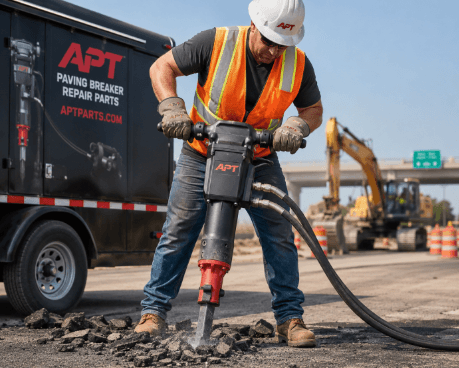
Chipping hammers rely on compressed air to generate impact force. Precise airflow regulation allows the tool to deliver steady and predictable strikes. Over time, internal control components experience wear from repeated cycling. Operators may notice inconsistent striking or reduced responsiveness. Addressing these signs early prevents larger mechanical issues. Proper airflow keeps the hammer operating smoothly. Stable performance improves both efficiency and operator comfort.
Restoring Consistent Operation
Control assemblies regulate how air enters the tool during use. Installing the APT 01782 Throttle Valve Assy helps restore proper air delivery and trigger response. Balanced airflow allows the hammer to strike evenly during operation. Consistent control also reduces unnecessary strain on moving parts. Reliable function improves demolition accuracy and productivity. Small replacements often make noticeable improvements. Maintaining control components supports dependable performance.
Routine Service Checks
Simple daily checks can prevent unexpected interruptions on the jobsite. A quick inspection ensures the tool operates as intended before work begins. Focus on airflow passages and moving mechanisms. A useful inspection routine includes
- Checking air fittings for secure connections
- Listening for irregular striking patterns
- Inspecting trigger response during operation
- Cleaning debris from exterior openings
- Replacing worn service components
Following these steps improves reliability. Consistent care reduces repair time.
Preventing Power Loss
Worn control components can restrict airflow and weaken impact force. Reduced air delivery forces the hammer to work harder than designed. Replacing parts like the APT 01782 Throttle Valve Assy restores normal striking performance. Proper airflow keeps operation smooth and predictable. Early maintenance prevents additional internal wear. Timely replacement keeps projects moving efficiently. Preventive action protects the overall tool.
Supporting Long Term Reliability
Reliable tools depend on consistent upkeep and preparation. Keeping spare service parts available shortens repair delays. Operators learn normal performance and quickly detect changes. Quick maintenance minimizes downtime during active work. Well maintained equipment operates more safely and efficiently. Preventive care extends the life of the hammer. Dependable performance supports daily productivity.